Author: mindexplained.jb
-

Why You Have Negative Thoughts: The Hidden Reason Your Brain Works This Way
Negative thoughts are one of the most common human experiences, yet many people assume they mean something is wrong with them. A worrying thought appears out of nowhere. You imagine the worst possible outcome before an important event. You replay an embarrassing moment long after everyone else has forgotten about it. Sometimes, it can feel…
-

Why You Procrastinate Even When You Know the Consequences
Every day, millions of people delay tasks they know are important. They postpone projects, avoid difficult conversations, put off health goals, and delay decisions that could improve their lives. What’s fascinating is that most of them already know the consequences of waiting. They know the deadline is approaching. They know the stress will increase. They…
-
Why You Forget Things And What Your Brain Is Really Doing
Forgetting where you left your keys. Walking into a room and suddenly blanking on why you went there. Unlocking your phone only to realize you have no idea what you intended to do. These moments are so common that most people experience them regularly, yet they often leave us wondering whether something is wrong with…
-

How Memory Really Works and Why Your Brain Forgets Things
Memory is one of the most fascinating abilities of the human brain, yet it’s also one of the most misunderstood. Many people assume memory works like a video camera—recording events exactly as they happen and storing them away for later retrieval. It feels logical. After all, when we remember a conversation, a childhood experience, or…
-

Why Criticism Hurts So Much: The Hidden Psychology Behind Feeling Judged
Have you ever noticed how a single critical comment can stay in your mind for days while dozens of compliments seem to disappear almost instantly? Maybe someone criticized your work, your appearance, your decisions, or even your personality. Even when you know their opinion shouldn’t matter that much, you still find yourself replaying the conversation…
-

Why People Judge Others So Quickly And What It Really Says About Them
Few things feel more personal than being judged. You can spend years building your character, developing your skills, and growing as a person, only to realize that someone has formed an opinion about you within seconds. Sometimes it happens after a brief conversation. Sometimes it happens because of the way you dress, speak, look, or…
-

How Discipline Really Works (And Why Motivation Always Fails)
Every year, millions of people set ambitious goals. They promise themselves they will finally get in shape, build a business, save money, read more books, wake up earlier, or become more productive. Most of them start with enthusiasm. Many of them stop within weeks. This pattern has created a widespread belief that success belongs to…
-
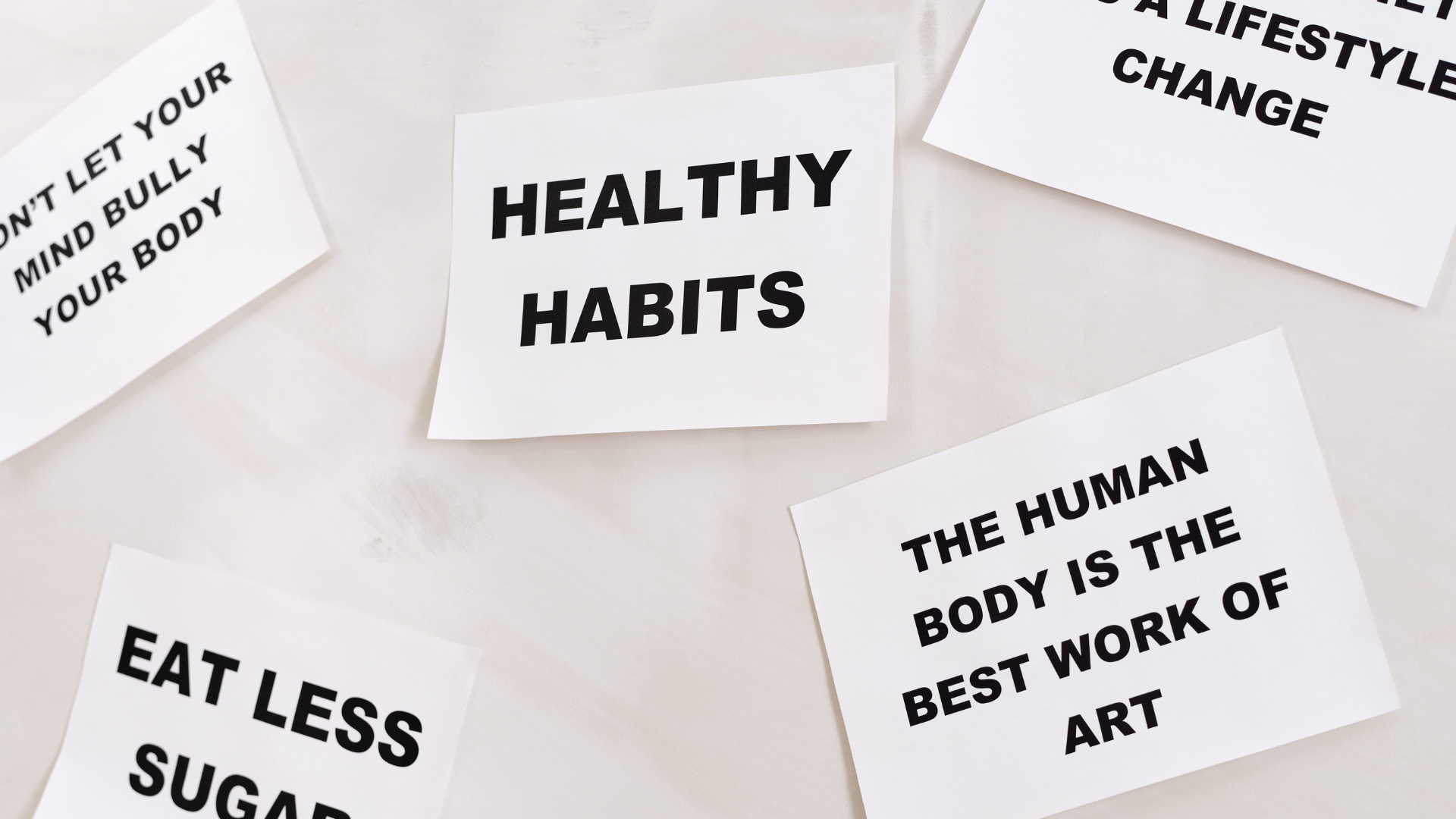
Why You Can’t Change Your Habits Even When You Want To
Changing your habits is not as simple as making better decisions. If it were, most people would already have the life they want. They would exercise consistently, stop procrastinating, eat healthier, sleep better, stay focused, manage stress more effectively, and follow through on their goals. After all, most people already know what they should be…
-

Why You’re So Impulsive (And How It’s Secretly Controlling Your Life)
Most people think impulsive behavior is a self-control problem. It isn’t. At least, not entirely. Impulsiveness is often the visible symptom of something much deeper happening beneath the surface. What looks like poor decision-making is frequently the brain’s attempt to escape discomfort, reduce stress, avoid uncertainty, or seek immediate relief from difficult emotions. That’s why…
-
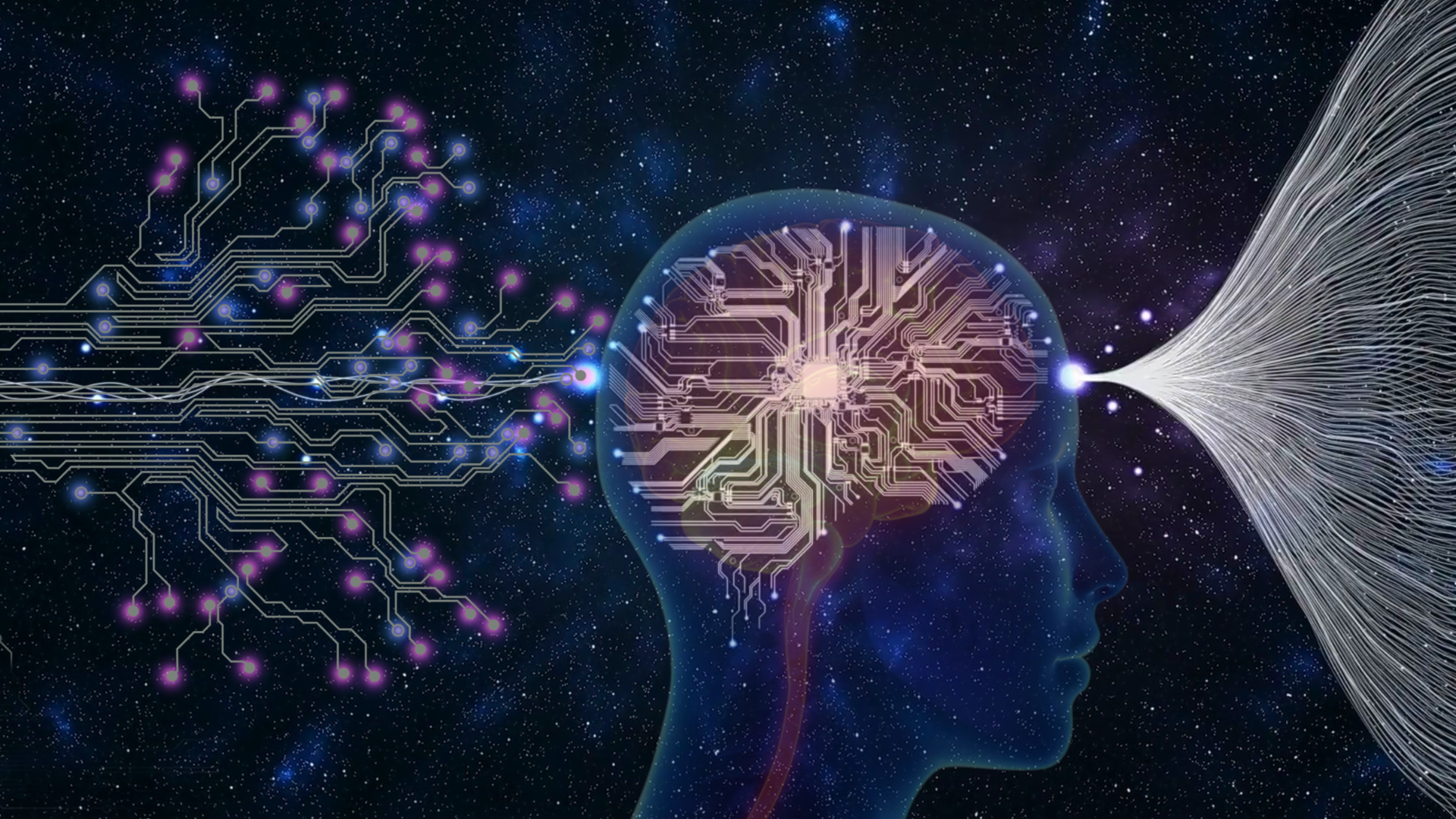
How Dopamine Hijacks Your Brain (And Why Modern Life Makes It So Hard to Focus)
Most people believe dopamine is the brain’s “pleasure chemical.” The truth is far more complicated—and far more important. Dopamine isn’t primarily responsible for making you feel pleasure. Instead, it plays a critical role in motivation, anticipation, habit formation, and decision-making. It influences what captures your attention, what goals you pursue, what habits you repeat, and…