There are certain mistakes that seem to have a strange ability to stay with us.
You can go through an entire day without thinking about them. Then, while driving, taking a shower, working, or trying to fall asleep, your mind suddenly brings one back.
You remember what you said.
What you should have said.
What you should have done differently.
Maybe it was an embarrassing conversation. A poor decision. A missed opportunity. A relationship that ended badly. Or simply a moment when you didn’t behave the way you wish you had.
And suddenly, you’re back there again.
This tendency to replay mistakes in your mind is closely connected to overthinking, rumination, regret, self-criticism, and the way our brains process emotionally significant experiences. But understanding why it happens can change the way you respond to those thoughts.
Why Your Brain Replays Past Mistakes
Your brain is constantly trying to learn from experience.
When something goes wrong, especially when the experience involves embarrassment, rejection, failure, guilt, or regret, your brain may treat the event as important information.
Think about what happens when you accidentally touch something hot.
Your brain doesn’t simply register that it happened. It creates an association designed to help you avoid repeating the experience.
Emotional mistakes can work in a similar way.
You make a poor decision and your mind thinks, “Remember this.”
You say something embarrassing and your brain thinks, “Pay attention. We don’t want this happening again.”
You experience rejection and your mind may start analyzing what happened, searching for clues that could help protect you in the future.
In other words, replaying a mistake isn’t necessarily your brain trying to make you miserable.
Sometimes, it’s trying to learn.
The problem occurs when learning turns into endless mental repetition.
Reflection vs. Rumination
There is an important difference between healthy reflection and rumination.
Reflection sounds like:
“I handled that conversation poorly. Next time, I’ll slow down and communicate more clearly.”
That’s useful.
You’ve identified what happened, extracted a lesson, and created a possible change for the future.
Rumination sounds very different:
“Why did I do that?”
“Why didn’t I realize it?”
“What was I thinking?”
“Everyone probably thinks I’m an idiot.”
“What if I had said something different?”
“Why am I always like this?”
The difference is subtle but powerful.
Reflection moves toward an answer.
Rumination keeps searching for an answer that may not exist.
You can spend two minutes learning from a mistake or spend two hours mentally replaying the same event. The amount of thinking doesn’t necessarily create more insight.
Sometimes, you’re simply going around the same mental loop.
Why Overthinking Can Feel Productive
One of the most frustrating aspects of overthinking is that it doesn’t always feel like overthinking.
It can feel like you’re solving a problem.
You’re analyzing the conversation.
You’re examining the details.
You’re trying to understand what went wrong.
You’re imagining different outcomes.
Because your brain is doing something, it can create the impression that you’re making progress.
But mental activity isn’t always problem solving.
Sometimes it’s repetition disguised as analysis.
If the past cannot be changed and you’ve already identified what you can learn from the situation, continuing to analyze every detail may not provide anything new.
The brain can confuse “thinking about something” with “doing something about it.”
That’s why asking yourself, “What am I actually trying to solve right now?” can be surprisingly useful.
Why Embarrassing Memories Feel So Powerful
There’s another reason certain memories stick.
When you make a mistake in front of other people, you may feel as if everyone noticed it and will remember it forever.
But there’s a good chance they don’t.
We tend to experience our own behavior from the inside. We remember exactly what we said, how we felt, what the room looked like, and how embarrassed we were.
Other people don’t have access to that internal experience.
They’re dealing with their own thoughts, insecurities, responsibilities, and problems.
Psychologists have described a related phenomenon as the spotlight effect: our tendency to overestimate how much other people notice our appearance, behavior, and mistakes.
Think about the last time someone else said something awkward around you.
You may remember it briefly.
But do you spend hours thinking about it?
Probably not.
Yet you might replay your own awkward moment years later.
That difference is important.
Something that feels enormous from inside your own experience may have been almost insignificant to everyone else.
Sometimes, you are the person keeping the memory alive.
When a Mistake Becomes Part of Your Identity
One of the most damaging things that can happen during overthinking is the transformation of a behavior into an identity.
“I made a bad decision” becomes “I’m terrible at making decisions.”
“I handled that situation badly” becomes “I’m bad with people.”
“I failed” becomes “I’m a failure.”
These statements may sound similar, but psychologically they are very different.
A mistake describes something you did.
An identity describes who you believe you are.
Once a mistake becomes part of your identity, your brain may start searching for additional evidence that confirms the belief.
Suddenly, one embarrassing experience reminds you of five others.
Your mind starts creating a story:
“See? I’ve always been like this.”
But a story isn’t necessarily a fact.
Your brain is extremely good at connecting memories, especially when they support an emotional belief you’ve already developed.
That means one painful experience can sometimes become much larger than the event itself.
Why You Judge Your Past Self So Harshly
Regret often contains a hidden assumption:
“I should have known better.”
This sounds reasonable when you’re looking backward.
But there’s a problem.
Your current self knows how the story ended.
Your past self didn’t.
You now have information, experience, perspective, and lessons that you didn’t possess at the time.
Maybe you ignored a warning sign.
Maybe you trusted someone you shouldn’t have.
Maybe you reacted emotionally.
Maybe you were afraid.
Maybe you simply made a normal human mistake.
Looking backward, the correct decision can seem obvious.
At the moment, it may not have been obvious at all.
This is one reason self-compassion can be so important when dealing with regret and past mistakes. Taking responsibility doesn’t require attacking yourself.
You can acknowledge:
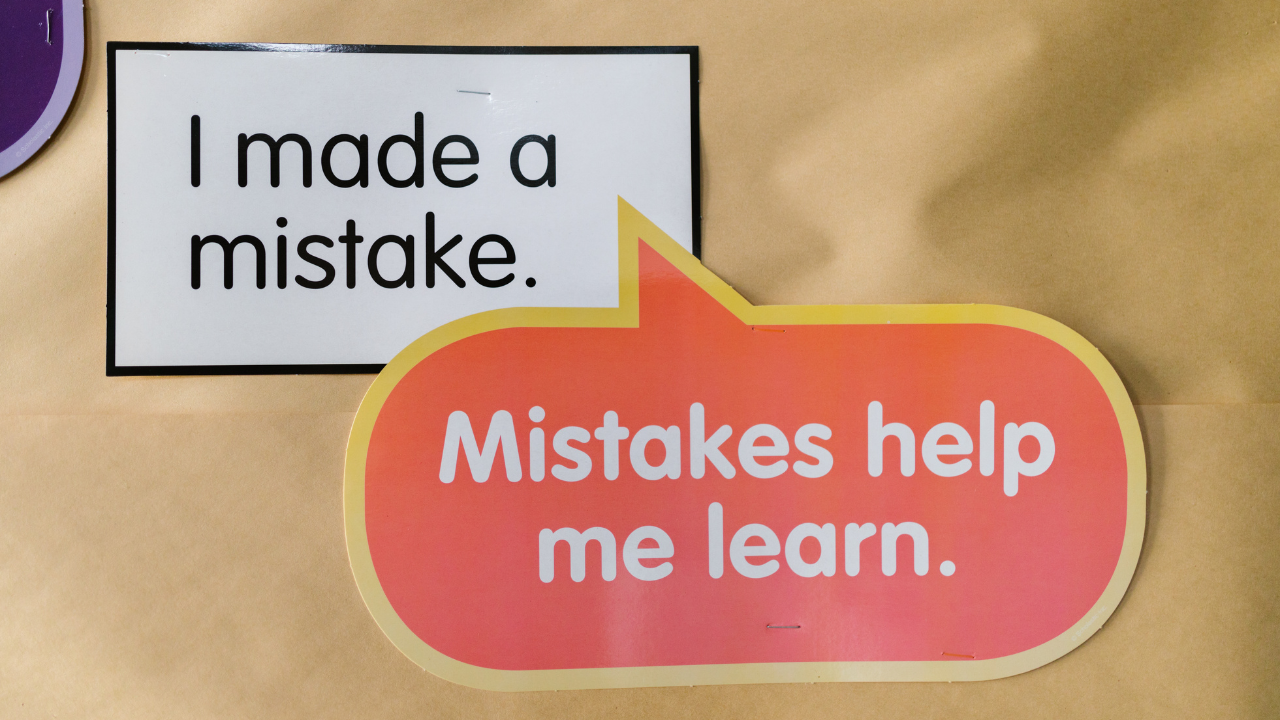
“I made a mistake.”
“I understand why it happened.”
“I’ve learned something from it.”
“And I want to make a different choice next time.”
That’s accountability without self-destruction.
Why You Replay Conversations in Your Head
Some of the most persistent forms of overthinking involve conversations.
You replay what someone said.
You analyze their tone.
You remember your response.
Then you imagine what you should have said instead.
This can happen after arguments, dates, interviews, social situations, or difficult conversations.
The reason is partly connected to uncertainty.
The brain doesn’t particularly enjoy unresolved situations.
When you don’t know exactly what someone thought about you, your mind may attempt to fill in the missing information.
And unfortunately, when you’re already feeling insecure, your brain may fill those gaps with negative assumptions.
“They probably thought I was weird.”
“Maybe I embarrassed myself.”
“Maybe they don’t like me anymore.”
But uncertainty isn’t evidence.
You don’t actually know what the other person was thinking.
The mind can create an explanation simply because it dislikes having no explanation.
Recognizing that can help you step back from the story you’re creating.
Why Mistakes Often Come Back at Night
Many people notice that overthinking becomes worse when they’re trying to sleep.
During the day, your attention is constantly occupied.
Work.
Messages.
Conversations.
Responsibilities.
Noise.
Entertainment.
Then nighttime arrives.
The environment becomes quiet.
There are fewer distractions.
And suddenly, your mind has room to bring unfinished thoughts to the surface.
Past mistakes, future worries, unresolved conversations, and uncomfortable memories can all appear.
This doesn’t automatically mean something is wrong with you.
Sometimes your brain simply has fewer distractions competing for your attention.
Instead of fighting every thought, it can help to recognize what is happening.
“This is a memory.”
“This is a thought.”
“This is my brain reviewing something that happened.”
A thought doesn’t automatically deserve your attention simply because it appeared in your mind.
How to Stop Replaying the Same Mistake
The goal isn’t necessarily to force yourself to forget.
Trying desperately not to think about something can sometimes make the thought even more noticeable.
A more useful approach is to change your relationship with the memory.
When the mistake comes back, ask yourself:
“What is the lesson?”
If there is a genuine lesson, identify it.
Maybe you need to communicate differently.
Maybe you need to prepare more carefully.
Maybe you need to establish stronger boundaries.
Maybe you need to stop ignoring certain warning signs.
Maybe you need to forgive yourself.
Then ask another question:
“Is there anything I can actually do about this now?”
If the answer is yes, take the appropriate action.
If the answer is no, continuing to mentally punish yourself isn’t going to change the outcome.
The past doesn’t become more controllable because you think about it more.
Your Mistakes Don’t Define You
One of the most powerful realizations about regret is that the fact that you feel differently about an old mistake may actually be evidence that you’ve grown.
Think about it.
You look at something you did years ago and think:
“I would never do that now.”
That statement contains something important.
You’re not the same person.
You’ve learned.
You’ve changed.
You’ve developed different priorities and perspectives.
You don’t have to hate the person you were in order to appreciate the person you’ve become.
Your past self made decisions with the information, emotional state, circumstances, and experience available at the time.
That doesn’t mean every decision was right.
It means you can learn from the past without spending the rest of your life putting your past self on trial.
When the Lesson Is Over
The goal isn’t to develop a mind that never remembers mistakes.
That’s unrealistic.
Your brain will remember emotionally significant experiences.
The healthier goal is learning when the memory has served its purpose.
If you’ve identified the lesson, changed your behavior, and accepted what cannot be changed, you may not need another round of analysis.
The next time an old mistake suddenly appears in your mind, pause.
Ask yourself:
“Is there something I still need to learn from this?”
If the answer is yes, learn it.
If you’ve already learned it, perhaps what you need isn’t more thinking.
Perhaps you need permission to move forward.
Your mistakes are part of your story, but they are not the entire story.
A painful memory can teach you something without becoming evidence against you.
And sometimes, moving on doesn’t mean forgetting what happened.
It means remembering it without allowing it to control who you believe you are today.
This content is intended for educational and informational purposes only and should not be considered medical, psychological, or mental health advice. Please consult a qualified healthcare or mental health professional for personalized guidance.
Leave a Reply